What Do You Need to Start Skateboarding? A Full Beginner’s Checklist
Skateboarding has a reputation for being a bit foreign, intimidating, and tough to break into if you didn’t grow up doing it. People often don’t know where to start, and there’s a completely normal fear that it might be unsafe.
It doesn’t have to be any of those things. Here’s the real checklist — what’s required, what’s optional, and how to try it safely before you spend anything.
1. Protective Gear
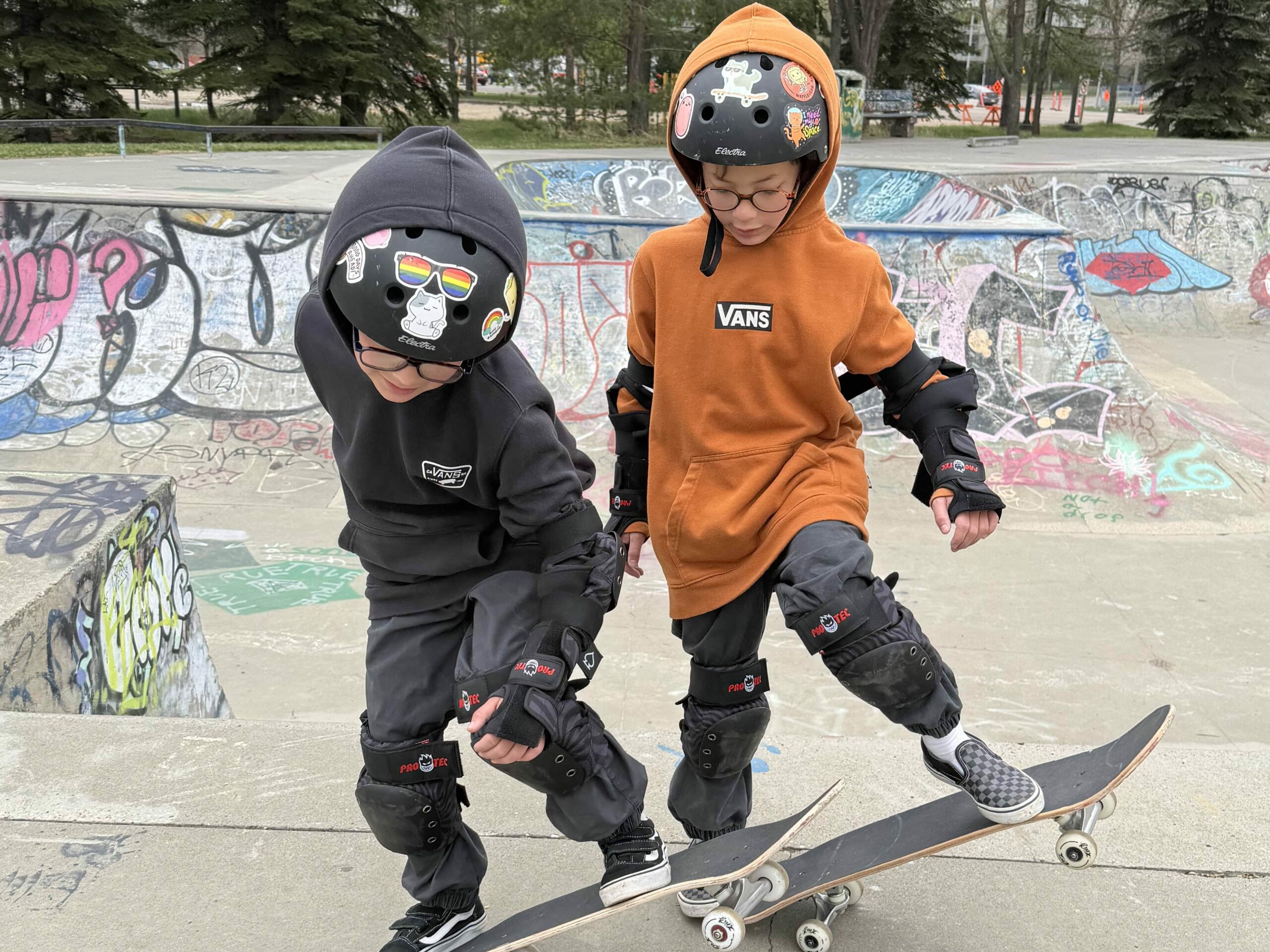
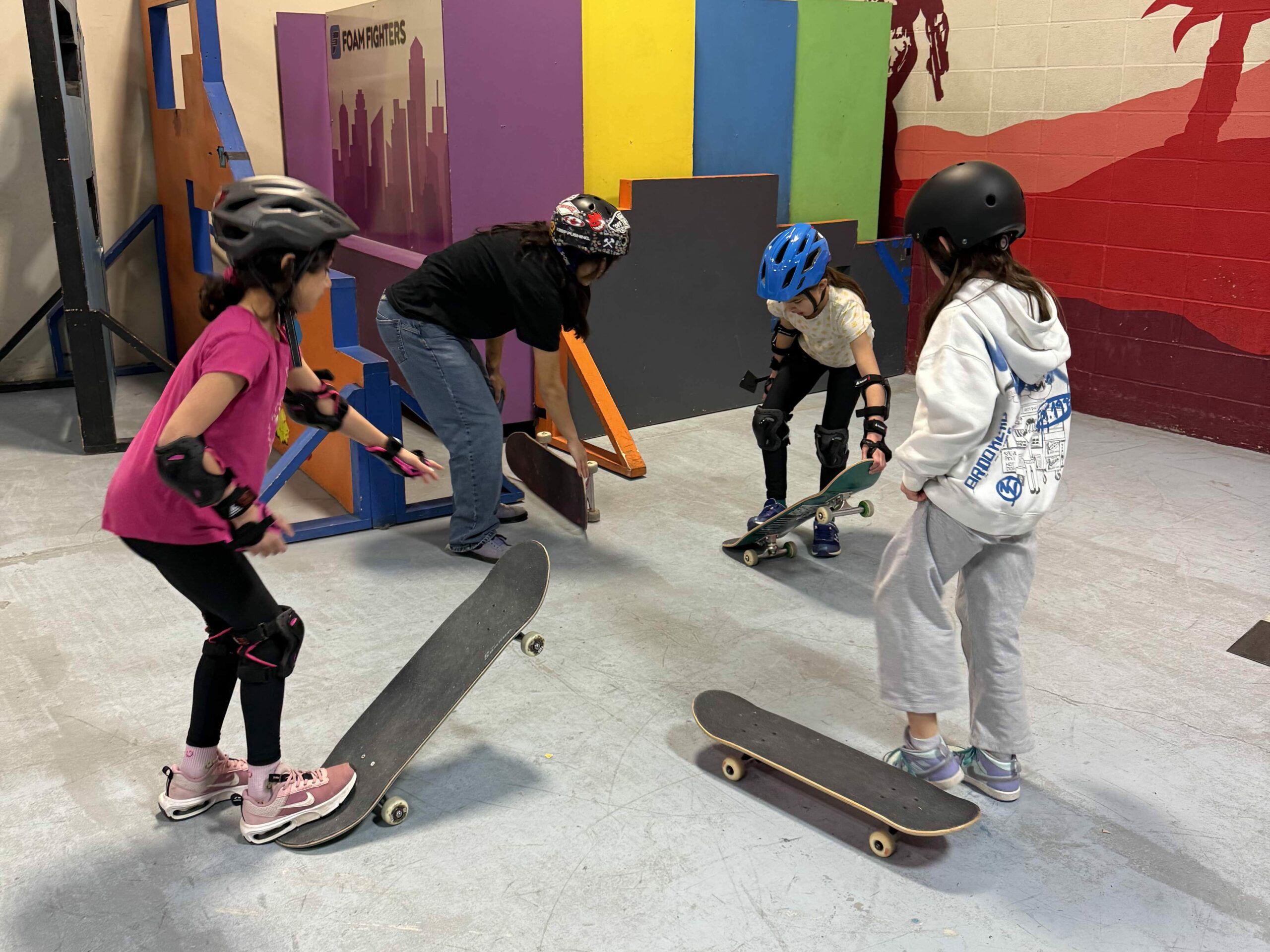
Helmet: non-negotiable. Wrist guards: next priority — wrists take the brunt of beginner falls.
Knee pads are worth mentioning separately. They feel unnecessary on flat ground, but as you progress into ramps and transitions, sliding out on your knees becomes normal — not a sign something went wrong. Building the habit early pays off.
We don’t supply pads or helmets (hygiene + fit reasons — gear that touches your head and joints should be your own). Bring what you have, or grab a basic set first. Happy to point you to the right Edmonton skate shop.
2. A Skateboard (You Don’t Need to Own One Yet)
Boards aren’t one-size-fits-all — deck width, trucks, and wheels all affect how a board rides, and guessing wrong on your first purchase is a common beginner mistake. Every lesson and camp at Project Rad includes a board, free, so you can figure out what feels right before spending any money.
We’re putting together a full guide to buying your first skateboard soon. In the meantime, feel free to reach out or connect with us on Instagram — happy to give personal advice based on your size, goals, and budget.
3. Shoes — Closed-Toe Is Required, Skate Shoes Are Not
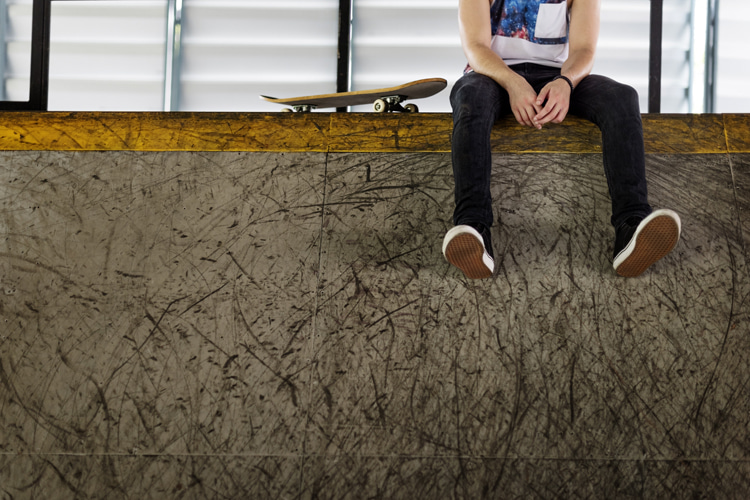
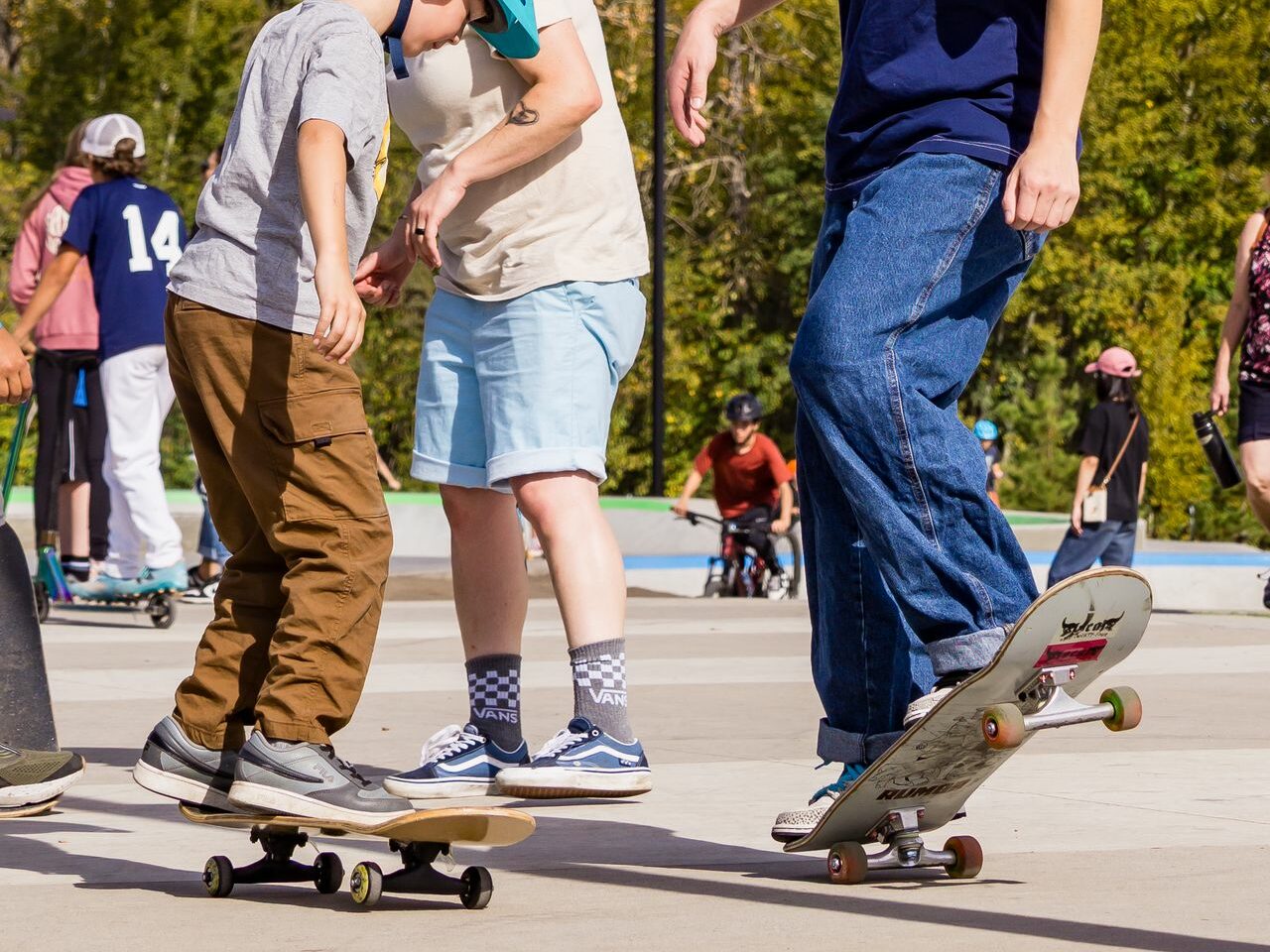
You need shoes — sandals, flip-flops, and bare feet aren’t safe and aren’t allowed. Beyond that, flat-soled shoes are preferred for better board feel and grip. Dedicated skate shoes (Vans, Converse, etc.) are nice to have, but not required. Wear whatever closed-toe shoes you already own.
4. A Smooth, Low-Traffic Place to Practice
Rough pavement, gravel, and cracked sidewalks make balancing harder than it needs to be. A smooth driveway, empty parking lot, or beginner-friendly skatepark area all work. We make sure all of our lessons location meet the requirements to be approachable and leaving our participants with a good experience. We run sessions at Foam Fighters indoors and some of the best beginner outdoor skateparks, both chosen for surfaces that suit beginners.
5. Water and Comfortable Clothing
Bring a water bottle, especially outdoors in summer. Baggy clothing is totally fine — just avoid anything heavy or restrictive on movement and airflow. Layers help for outdoor sessions since the weather can shift.

6. The Right Mindset
Falling is part of skateboarding, for everyone, not just beginners. Expect the first few sessions to feel awkward, and keep showing up anyway — that’s the whole game.
This connects to why we built Project Rad in the first place: we believe in the long game and learning through play, where fear is normal, and failure is expected. A good coach speeds that process up considerably, which is the whole idea behind our First Push beginner program.
7. Where to Start?
There are more ways to learn how to skateboard today than ever before. Whether you want to figure it out solo in your driveway or get hands-on guidance, here is how the different learning methods stack up:
YouTube & Social Media Tutorials
- The Pros: It’s 100% free, highly visual, and you can pause, rewind, and rewatch a trick tutorial a hundred times at 3 a.m.
- The Cons: There is no real-time feedback. You might think you’re copying the video perfectly, but without a second pair of eyes, it’s hard to spot the micro-adjustments you need to make.
Books & Blogs
- The Pros: Great for understanding the conceptual theory of a trick, looking at step-by-step breakdown photos, and learning about skate culture and history.
- The Cons: Skateboarding is dynamic and fast. Static text and photos can only take you so far when it comes to understanding weight distribution and momentum.
Virtual Coaching & Apps
- The Pros: Convenient and allows you to get feedback from coaches who might live halfway across the world.
- The Cons: the coach isn’t there, they have to rely entirely on verbal/virtual explanations and can’t physically correct your posture or position. It ultimately requires a lot more mental and physical energy from you just to translate their notes into motion, all while lacking the immediate safety net of an in-person guide.
Physical, In-Person Lessons (The Fast Track)
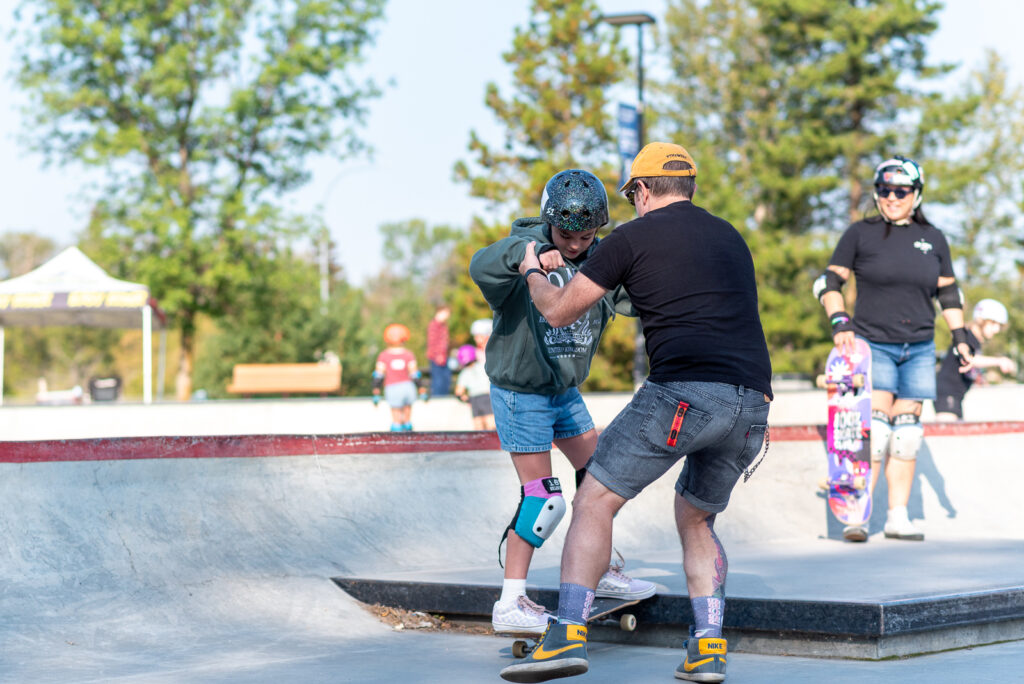
- The Pros: An experienced coach can physically spot you, correct your stance before you develop bad habits, and give you immediate adjustments.You don’t need to figure out where to start; they can guide you in any direction that excites you.
- The Cons: It requires a schedule commitment and an upfront cost (though it often saves you time/money in the long run!).
Ready to Try It Without Buying Anything First?
Bring your own helmet and pads, a water bottle, and the right attitude — we’ll provide the board.
Contact us about our upcoming lessons, and see what skateboarding feels like before you commit to owning any of it.